
The Influence of Globalization on Business Valuation Practices
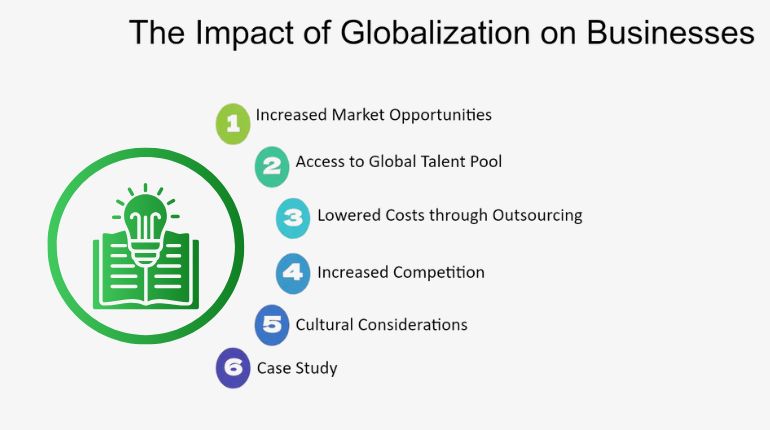
In the dynamic world of business valuations, the forces of globalization have brought about significant changes in how companies are assessed, how financial transactions are structured, and how businesses operate across borders. As companies become increasingly interconnected with global markets, the way business valuations are conducted must also adapt. This article will delve into how globalization is influencing the practice of business valuation, examining both the opportunities it creates and the challenges it presents.
Globalization refers to the increasing interdependence and interconnectedness of economies, markets, and industries worldwide. This phenomenon has led to more cross-border mergers and acquisitions, international investments, and the rise of global competition. For businesses, globalization means dealing with new market opportunities, shifting consumer behaviors, and greater exposure to international risks.
From a valuation perspective, globalization presents both opportunities and challenges for assessing the true value of a business. Traditional valuation methods may need to be adjusted to account for international factors such as currency exchange rates, geopolitical risks, and the economic conditions of different countries.
Key Influences of Globalization on Business Valuation Practices
Market Expansion and Access to Global Capital
With globalization, businesses now operate in multiple markets across different countries, which makes the valuation process more complex. Companies that are expanding internationally may be valued based on the anticipated growth from their global operations. The valuation will need to reflect the added revenues from new markets, the cost structures associated with those markets, and the future potential for growth.
Furthermore, globalization has led to greater access to international capital markets, enabling businesses to secure financing from investors around the world. When valuing a business that has attracted global investment, the cost of capital will be affected by the global competition for funds, investor sentiment, and international interest rates.
The lesson? In globalized markets, the growth potential for a business in emerging markets or developed economies can significantly impact its valuation. However, the ability to access global capital markets also introduces the challenge of evaluating the financial health and long-term sustainability of the business across different economic conditions.
Impact of Currency Fluctuations on Valuation
One of the most immediate effects of globalization on business valuations is the influence of currency fluctuations. A company that operates internationally or has foreign assets and liabilities is subject to exchange rate risks, which can impact its financial statements and the overall valuation.
For example, a business based in India but with significant operations in the U.S. may see the value of its U.S.-based revenue fluctuate due to changes in the INR/USD exchange rate. Similarly, companies that rely on importing raw materials from different countries must account for the cost of those materials in foreign currencies.
The lesson? Valuation experts must carefully assess and factor in currency risks when dealing with global businesses. Hedging strategies, the relative stability of the currencies involved, and the company’s ability to manage currency risk must all be considered.
3. Geopolitical Risk and Regulatory Complexity
Globalization has also led to the rise of complex geopolitical risks that can affect the valuation of a business. The political landscape in the countries where a business operates can significantly impact its risk profile. Trade wars, tariffs, sanctions, and changing regulatory environments are just a few of the factors that can influence the valuation of cross-border businesses.
For instance, if a company is heavily reliant on exports to a particular country and that country’s government imposes trade barriers, the valuation of that business could take a significant hit. Similarly, regulatory changes in one market, such as increased tax rates or stricter environmental laws, can alter future cash flows and profitability.
The lesson? When conducting a business valuation in a globalized environment, it’s essential to incorporate the political and regulatory risks associated with each market. This might involve assessing country-specific risk premiums and considering the long-term implications of shifting global trade policies.
4. Increased Competition and Market Comparable
Globalization has intensified competition across industries as businesses now compete not only with local players but also with international companies. The global marketplace allows investors to compare businesses from different regions, industries, and sectors with greater ease.
In valuation practices, one common method is the market approach, where a business is valued based on the sales or earnings multiples of comparable companies.
With globalization, the pool of comparable companies has expanded significantly. This broadens the scope of benchmarking for valuing companies, but it also introduces greater complexity, as businesses from different regions may have varying financial structures, market conditions, and growth rates.
The lesson? While the availability of international comparables can make valuations more precise, the differences in market maturity, local consumer behavior, and operational efficiencies must be factored in. A company operating in a rapidly growing market may not be directly comparable to one in a mature, slower-growing economy, even if they are in the same industry.
5. Cross-border Mergers and Acquisitions (M&A)
Globalization has driven an increase in cross-border mergers and acquisitions. As companies look to expand their operations globally, acquiring local players in foreign markets is often the fastest route to growth. This increase in cross-border M&A activities means that business valuations have to account for not just the financial health of the company but also the synergies and strategic benefits of the deal.
For example, when a company acquires a business in another country, the value of the target company is often influenced by factors such as local market share, the potential for expansion, and the cost of integration. Valuation professionals need to carefully assess the synergies that will be realized from the acquisition, including cost savings, access to new customer segments, and expanded geographic presence.
The lesson? Cross-border M&A activities often require deeper due diligence and a more nuanced understanding of the cultural, legal, and market dynamics in both the home and target countries. These factors influence not only the financial performance but also the strategic value of the transaction.
How Outsourcing Can Boost Your Business Valuation Preparation
In today’s globalized business environment, outsourcing business valuation services can be a game-changer for companies navigating complex cross-border transactions. Partnering with a specialized outsourcing firm provides businesses with cost-effective solutions, offering access to expert professionals without the expense of maintaining a full in-house team. By outsourcing to Synpact Consulting, companies can leverage the expertise of valuation specialists who are well-versed in international markets, currency risk management, and geopolitical considerations, ensuring that their valuations are both accurate and compliant with local standards.
Additionally, outsourcing provides scalability. As businesses expand across regions, they can easily adjust the scope of outsourced services to meet the demands of each market. Whether it’s evaluating the impact of currency fluctuations or assessing cross-border synergies in M&A, outsourcing firms bring the flexibility needed to adapt to rapidly changing market conditions. With access to global talent and the latest industry insights, outsourcing helps businesses stay ahead of the competition, mitigate risks, and streamline the valuation process for more informed, strategic decision-making.
By choosing Synpact Consulting as outsourcing partner, businesses can gain a competitive edge while ensuring cost-efficiency and the timely execution of complex valuation tasks.
Challenges and Risks
- Data Availability and Reliability: Reliable financial data for businesses operating in foreign markets may not be as easily accessible or consistent. Different countries have different reporting standards, which can complicate the analysis.
- Cultural and Economic Differences: Understanding the cultural and economic context of a company is essential for accurate valuations. What works in one market may not be applicable in another. Economic stability, inflation rates, and consumer behavior can all differ dramatically between regions.
- Local Expertise: Valuing businesses operating internationally requires expertise in the local markets. Professionals may need to collaborate with regional specialists to ensure the valuation reflects all relevant factors, from local market conditions to regulatory changes.
Key Takeaways
- Globalization requires adapting valuation methods to consider the complexity of multiple international markets.
- Currency fluctuations can significantly affect a business’s financial performance and must be factored into valuations.
- Geopolitical risks, such as political instability or trade barriers, can drastically alter a company’s valuation.
- Regulatory differences across regions necessitate adjusting valuations to reflect varying legal and compliance requirements.
- The global competitive landscape impacts market share and profitability, which influences business valuations.
- Access to international capital markets changes the cost of capital, which must be considered in global business valuations.
- Cross-border mergers and acquisitions require incorporating both financial metrics and strategic synergies in valuations.
- Companies expanding internationally require customized valuation approaches that account for regional growth opportunities and risks.
- Global supply chain dependencies and risks, like tariffs and disruptions, must be included in business valuations.
- Cultural and social differences between regions should be accounted for, as they can impact consumer behavior and business performance.