
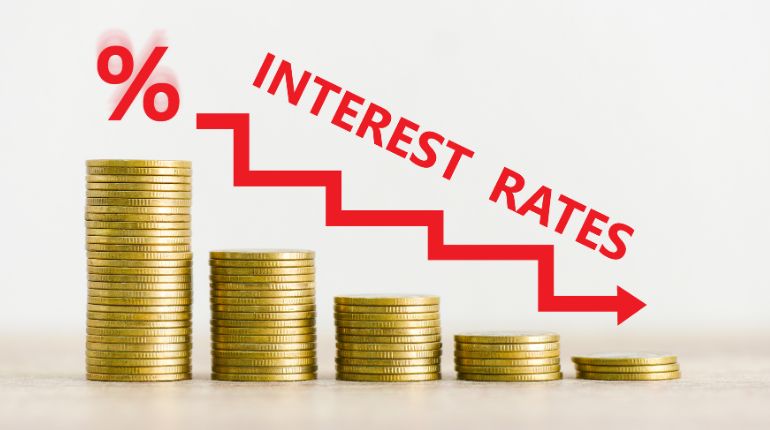
The Impact of Interest Rates on Valuation: A Comprehensive Guide
In today’s financial landscape, Interest rates play a crucial role in shaping the value of various assets, from stocks and bonds to real estate and currencies. Understanding how interest rates influence asset prices is essential for investors, analysts, and businesses.
In this guide we will explore the mechanics of interest rates and their effect on valuation models like Discounted Cash Flow (DCF), and discuss real world examples to illustrate these concepts.
Understanding Interest Rates
Interest rates are the cost of borrowing money or the return on investment for lending funds. They are set by central banks (like the Federal Reserve in the U.S.) and have a widespread effect on economic activities. Interest rates can be categorized into two primary types:
- Short-term rates: These are typically set by central banks and are aimed at managing inflation and economic growth.
- Long-term rates: These are determined by the bond market and can be influenced by investor sentiment and expectations of future inflation and liquidity premium.
How Interest Rates Affect Valuation?
When assessing the value of a business, analysts forecast the company’s future cash flows and then discount them back to the present value using a discount rate. This discount rate, often referred to as the cost of capital, is heavily influenced by prevailing interest rates.
Interest rates affect the cost of capital in two primary ways:
- Risk-Free Rate: The base rate at which investors can lend money with no risk. It is yield on government bonds (Generally 20 yr U.S. treasury rate).
- Risk Premium: The additional return investors require for taking on the risk of investing in a particular business or asset.
Discounted Cash Flow (DCF) Models
In this Model future cash flows are discounted to their present value using a discount rate, which often incorporates the risk-free rate plus a risk premium.
- When interest rates rise: Discount rates increase, reducing the present value of future cash flows. This means that the valuation of a company or investment decreases, since investors will now demand higher returns to compensate for the higher cost of capital.
- When interest rates fall: Discount rates decrease, increase the present value of future cash flows. This leads to higher valuations for assets like stocks, bonds, and real estate.
The lesson? A change in interest rates, has an inverse relationship with the company’s valuation. In a high-interest-rate environment, future cash flows are worth less today, which can make the company less attractive to investors and vice versa.
Impact on Fixed Coupon Bonds
Bonds and interest rates have an inverse relationship
- When interest rates rise: When interest rates rise, the price of existing bonds falls due to fixed coupon and new bonds become more attractive which are issued at higher yield. Investors may choose to sell older bonds, pushing prices down in order to match the higher returns available in the market.
- When interest rates fall: When interest rates fall, the price of existing bonds rise due to fixed coupon and new bonds become less attractive which are issued at lower yield.
Stock Valuations: The Cost of Capital
Stocks, like all investments, are valued based on their future earnings potential.
- When interest rates rise: Cost of capital increases, companies that rely on debt financing face higher borrowing costs, which can reduce profitability and future growth prospects. As a result, stock valuations may decrease because investors discount future earnings at higher rates and expect lower growth.
- When interest rates fall: Cost of Capital decreases, making it easier and cheaper for businesses to finance their operations, invest in growth, and potentially increase their market value.
Real Estate and Property Valuations
- When interest rates rise: When interest rates rise, mortgage rates increase, making it more expensive for homebuyers to finance a property purchase. This typically leads to lower demand for homes and can cause property prices to fall.
- When interest rates fall: Mortgage rates fall, making home loans more affordable, which can stimulate demand and increase property prices.
Currency Valuations
- When interest rates rise: When country raises Interest rate, Capital inflow increases as investor seek higher return. It boosts demand of domestic currency and increase the value of domestic currency. For example, when the Federal Reserve (the U.S. central bank) raises interest rates, the U.S. Dollar often strengthens relative to other currencies. This is because higher U.S. rates attract global investors seeking higher returns on U.S. assets.
- When interest rates fall: When countries have restrictive policy, Higher Capital outflow leads to a depreciation of domestic currency. For example, Japan has maintained low interest rates for decades. As a result, the Yen has often been weak against other currencies. Investors tend to avoid holding assets denominated in Yen because the returns are low compared to other countries with higher rates, leading to less demand for the Yen.
In times of high volatility or economic instability, investors often prioritize safety over potential returns, leading to a phenomenon known as flight to safety. Even if a country lowers its interest rates, if its currency is considered a safe haven (such as the U.S. Dollar or Swiss Franc), investors may still flock to it. In such environments, the demand for these safe-haven currencies can outweigh the influence of lower interest rates, leading to currency appreciation despite rate cuts.
Conclusion: The Crucial Role of Interest Rates in Business Valuation
Interest rates are a fundamental driver of business valuation, influencing everything from the cost of capital to investor behavior. When interest rates rise, businesses face higher discount rates, increased borrowing costs, and reduced growth potential, all of which can lead to lower valuations. On the flip side, when interest rates fall, the opposite tends to happen—discount rates decrease, borrowing becomes cheaper, and investors may become more willing to bid up the value of stocks.
For business owners, investors, and analysts, staying informed about interest rate trends is critical. By understanding how interest rates impact business valuations, you can make more informed decisions regarding investments, acquisitions, or capital raising activities. Whether you’re involved in a valuation for strategic planning or investment purposes, recognizing the influence of interest rates will provide valuable insights into the broader market dynamics at play.
How Outsourcing Can Enhance Your Interest Rate Valuation Process
- Cost Efficiency: In-house valuation teams can often be costly, requiring substantial investment in both specialized talent and sophisticated financial tools. By outsourcing these tasks to a knowledgeable KPO (Knowledge Process Outsourcing) firm, businesses can access expert resources without incurring high operational expenses. This allows companies to focus on their core competencies while still ensuring accurate and reliable valuations.
- Expert Support: Interest rate fluctuations directly affect asset valuations, making it crucial for businesses to integrate the right expertise in their financial models. KPO firms offer specialized teams with a deep understanding of how interest rates impact various assets, from stocks and bonds to real estate and currencies. With their expertise in financial modeling, KPO providers can assist in constructing precise valuations that reflect current interest rate trends, ensuring that your business stays competitive and informed.
- Scalability: As interest rates shift and markets evolve, the need for accurate valuation models becomes even more pressing. Outsourcing offers flexibility, allowing businesses to scale valuation efforts up or down depending on market conditions or specific project needs. Whether you need one-off support for an acquisition or continuous monitoring of valuation changes, outsourcing ensures that businesses can adapt quickly to changing financial landscapes without committing to long-term, fixed staffing costs.
At our KPO firm Synpact Consulting, we specialize in providing tailored financial valuation services that integrate the latest trends in interest rates and market dynamics. By outsourcing your valuation process to our team of experts, you can ensure that your business makes well-informed, data-driven decisions that align with the shifting financial environment.
Related Articles:
Control Premiums in Business Valuation: What You Need to Know
Business Valuation in the Context of Bankruptcy and Restructuring
Business Valuation in the Context of Bankruptcy and Restructuring
Business Valuation for the Purpose of Raising Capital
Business Valuation for Small Business: A Comprehensive Guide
Business Valuation for E-commerce Businesses: Unique Considerations